
Medical Progress Through Animal Experimentation
In fact, virtually every medical breakthrough of the 20th century was achieved as a result of animal experimentation. Many more treatments are expected to be discovered in the future. Americans for Medical Progress is working to ensure that scientists can continue to secure the resources and freedom necessary to carry out their research.
___________________
Before the 1900s
Treatment for Smallpox
One of the most feared diseases in the world, estimated to have caused the deaths of 2 million people. Experimental animal species: cows

Treatment for Rabies
A deadly disease characterized by convulsions and death; afflicts wild and domestic animals; can be transmitted to humans. Experimental animal species: dogs, rabbits
Treatment for Anthrax
A disease characterized by depression, spasms, respiratory or cardiac distress, convulsions, and death following a rise in body temperature. Devastating epidemics were recorded by the 20th century. Experimental animal species: sheep
 ___________________
1900s
Cardiac Catheterization Techniques
Treatment for Rickets
Vitamin D deficiency causes impaired bone development in infants and children. Experimental animal species: dogs
___________________
1920s
Controls diabetes. Diabetes is a chronic pancreatic disease characterized by the inability to utilize carbohydrates, excess sugar in the blood and urine, excessive thirst, hunger and urination, weakness, and extreme weight loss; it can also cause blindness and death. Experimental animal species: dogs
___________________
1930s
Development of Modern Anesthesia
Makes it possible to induce artificial unconsciousness or local or general insensitivity to pain. Experimental animal species: dogs
Prevention of Tetanus
Also called lockjaw. An acute infectious disease of humans and other animals characterized by painful muscle spasms and convulsions. Experimental animal species: horses
Development of Anticoagulants
Drugs that inhibit the action of blood clotting factors. Excessive clotting factors can cause blood clots, phlebitis, embolism, and death. Experimental animal species: cats
___________________
1940s
Treatment for Rheumatoid Arthritis
A disease in which the body's connective tissues become inflamed; although the cause is unknown, medication can relieve pain and control inflammation. >Experimental animal species: rabbits, monkeys
Discovery of the RH Factor
Made it possible to detect Rh antigens in red blood cells, marking a breakthrough in immunity during pregnancy. Experimental animal species: rhesus monkeys
Prevention of Diphtheria
A contagious disease characterized by membrane formation in the throat and other airways, causing breathing difficulty, high fever, weakness, and often death. Experimental animal species: horses
Antibiotics
Treatment for Whooping Cough
One of the most acute infectious diseases in children; a highly contagious disease characterized by short, dry coughing; accompanied by severe complications such as convulsions and brain damage. Experimental animal species: guinea pigs and rabbits
___________________
1950s
Prevention of Polio
A disease characterized by symptoms ranging from mild infection to widespread paralysis; about 58,000 cases were reported in the United States alone in 1952; today it has been eradicated in the Western Hemisphere and was expected to be eradicated worldwide by the end of the 20th century. Experimental animal species: rabbits, monkeys, rodents
Development of Thoracic Surgery and Cardiac Pacemakers
A revolutionary treatment for people suffering from severe heart disease. Experimental animal species: dogs
Development of Cancer Chemotherapy
Produces temporary or permanent remission in certain types of cancer. Experimental animal species: monkeys, rabbits, and rodents
Discovery of Tranquilizers
Compounds that relieve hyperactivity, anxiety, and tension. Experimental animal species: rats, rabbits, and monkeys
 ___________________
1960s
Development of Lithium
Prevention of manic depression and recurrent depression. Experimental animal species: rats and guinea pigs
Prevention of Rubella
A viral contagious disease characterized by mild fever, rash, and swollen lymph glands; causes severe fetal deformities in pregnant women. Experimental animal species: monkeys
___________________
1970s
Prevention of Measles
An acute viral contagious disease once common among children. Characterized by fever and skin rash. It can be fatal. Experimental animal species: monkeys
Treatment for Leprosy
A chronic infectious disease characterized by severe paralysis, ulceration, malnutrition, gangrene, and amputation. Experimental animal species: monkeys, armadillos
Advances in Cardiology
Including measurement of coronary blood flow, myocardial preservation techniques, and heart bypass techniques. Experimental animal species: dogs
___________________
1980s
Development of Monoclonal Antibodies for Disease Treatment
Marked a milestone in the use of antibodies as diagnostic or therapeutic tools targeting specific diseased cells. Experimental animal species: mice and rabbits
 Advances in Organ Transplantation
Surgical and medical advances such as anti-rejection drugs made heart, liver, lung, and other organ transplants possible. Experimental animal species: dogs, sheep, cows, and pigs
___________________
1990s
Laparoscopic Surgical Techniques
Minimally invasive surgery greatly reduces hospital stays for patients. For example, gallbladder patients who once stayed in the hospital for more than a week can now return home the same day. Patients return to work in 2–7 days instead of 4–6 weeks. Experimental animal species: pigs
Breast Cancer Link
Scientists are narrowing down the genetic and environmental factors related to breast cancer, the leading cause of death among American women aged 35–54. Experimental animal species: fruit flies, mice, and rats
Gene Therapy for Cystic Fibrosis
Clinical trials are being conducted as the first step toward treating a disease threatening the lives of 30,000 young people in the United States. If successful, similar approaches may become possible for inherited diseases such as Duchenne muscular dystrophy and sickle-cell anemia. Experimental animal species: mice and monkeys
___________________
2000
Sequencing of the Human Genome
The genetic map of humanity followed successful sequencing in two animal species. Sequencing gave rise to a new scientific field called comparative genomics. Comparative genomics has helped scientists better understand how humans are similar to and different from other animal species. This information enables scientists to translate the results of animal experiments to humans with unprecedented accuracy.Experimental animal species: fruit flies, nematodes, and humans
___________________
2001
First Molecularly Targeted Cancer Drug
Gleevec, approved for the treatment of leukemia (and later gastrointestinal stromal tumors), is a medical milestone targeting the biochemical errors that produce cancer.Experimental animal species: chickens, fruit flies, mice
Cell Cycle Regulatory Factors
The 2001 Nobel Prize in Physiology or Medicine was awarded to three scientists whose discoveries helped explain the key molecular regulators of the cell cycle. Scientists believe that understanding these regulators will lead to new cancer treatments.Experimental animal species: sea urchins and others
Pig Model for Diabetes 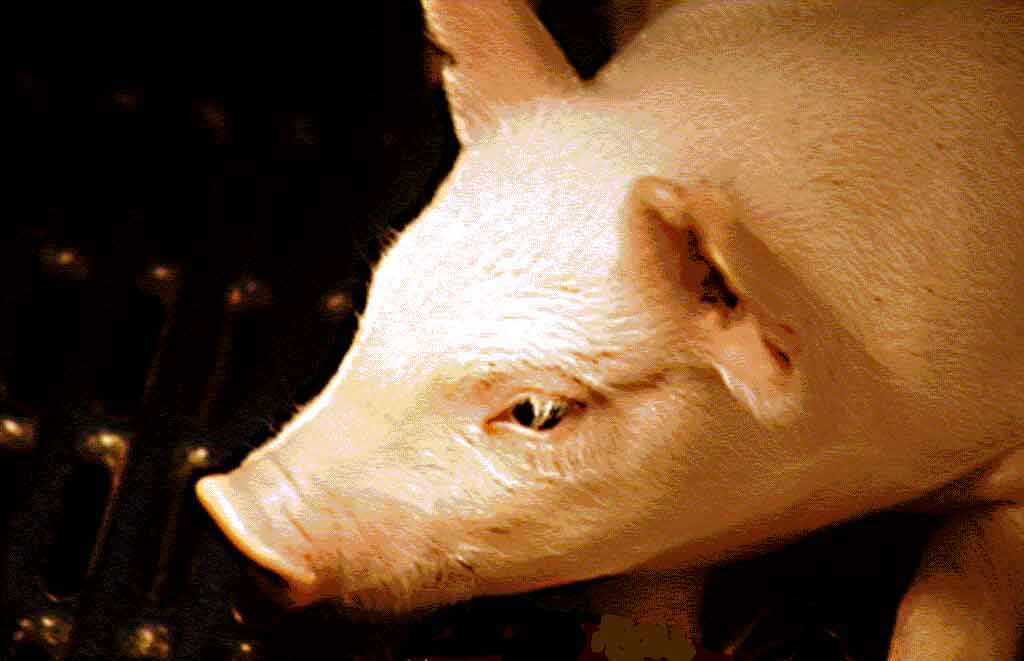 Diabetic pigs are the first reliable model for diabetic heart disease, giving researchers the opportunity to test experimental drugs and attempt to control cardiovascular spasms following balloon angioplasty.Experimental animal species: pigs
___________________
2002
Multiple Sclerosis
By targeting two genes involved in multiple sclerosis (MS), scientists have identified antibody receptors and growth stimulators that can reduce symptoms of MS-like conditions.Experimental animal species: mice
Amyotrophic Lateral Sclerosis
The antibiotic minocycline delayed the onset and progression of amyotrophic lateral sclerosis in mice. This suggests a new treatment for humans. Researchers have conducted studies using genetically engineered ALS mice.Experimental animal species: mice