Mendel's Laws (1866)
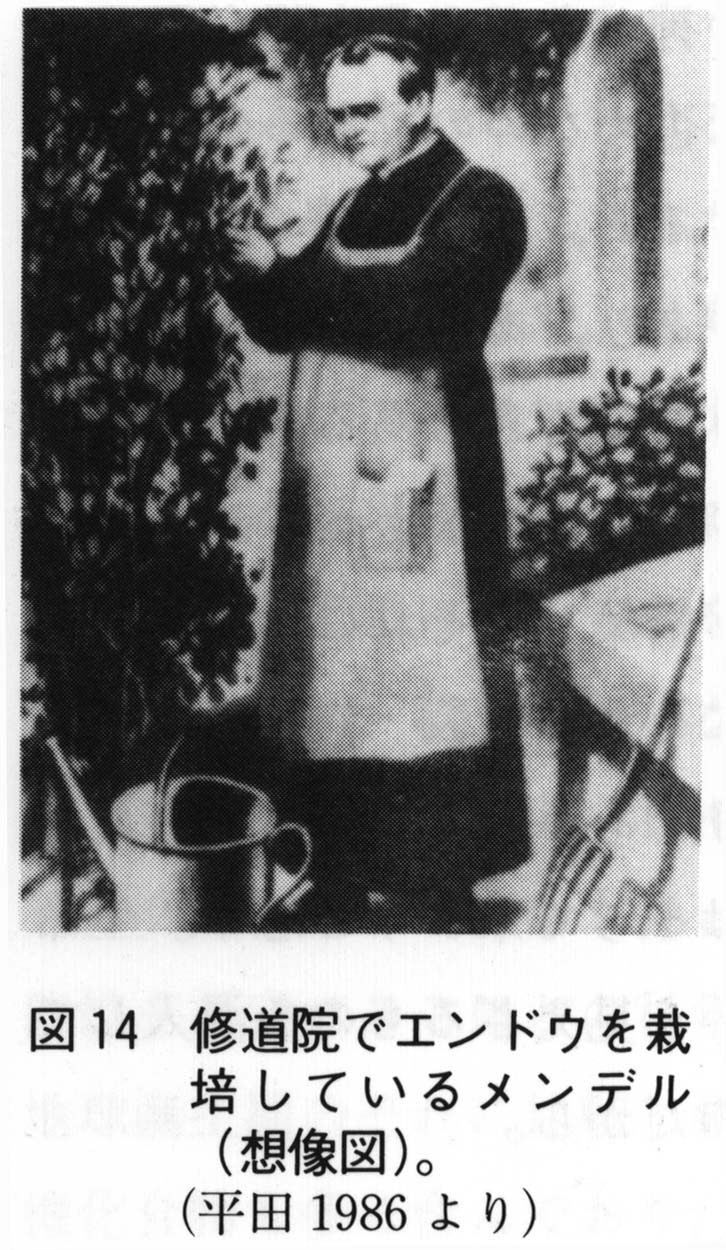
Mendel planted peas in the garden of his monastery and carried out crossbreeding experiments using traits such as seed shape, cotyledons, and seed coat color. In 1866, he published a paper entitled gExperiments on Plant Hybrids.h
The three laws of inheritance discovered by Mendel:
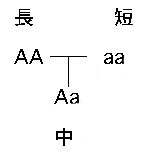
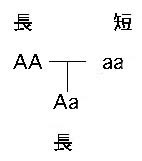
- Law of Dominance
Among the traits inherited from the parents, some are more likely to appear (dominant traits) in the first filial generation (F1), while others are less likely to appear (recessive traits).
- Law of Segregation
Recessive traits can reappear in the second filial generation (F2).
- Law of Independent Assortment
Different traits, for example the color and wrinkling of peas, are inherited independently.
His achievements in this research were ignored at the time.
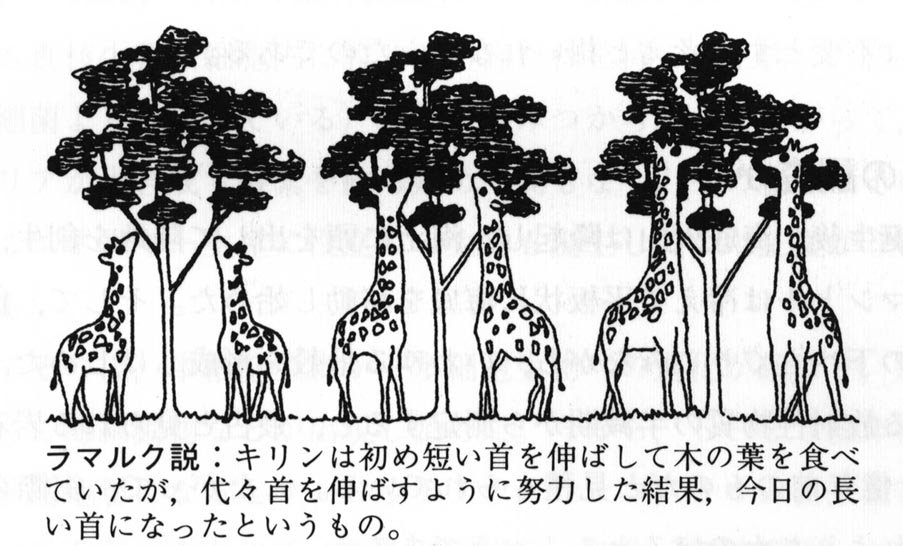
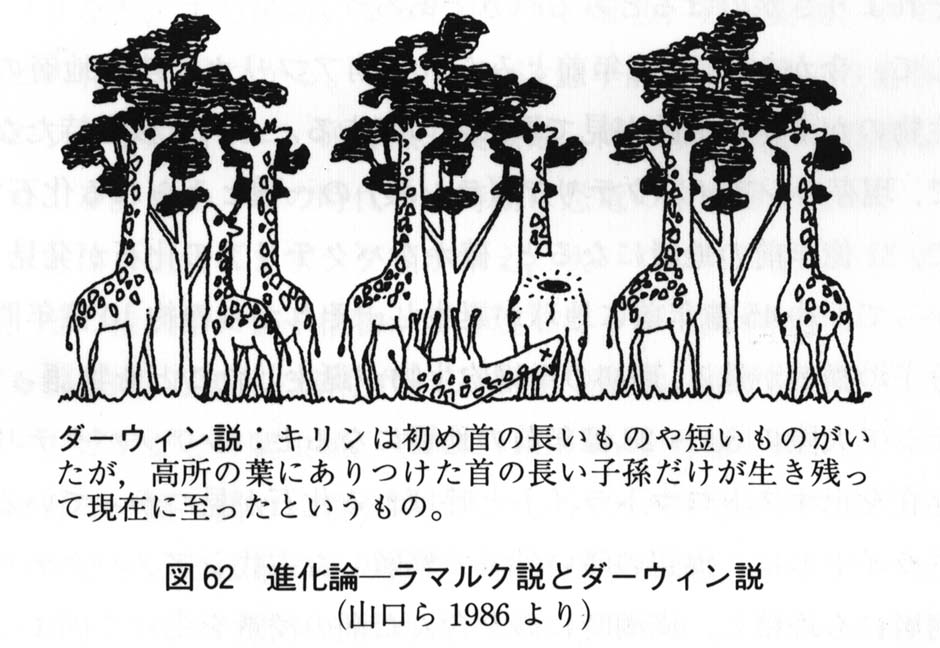
If Darwin had known Mendel's laws, he could probably have used them to support the theory of natural selection and more easily refute Lamarck's theory.
Among the traits inherited from the parents, some are more likely to appear (dominant traits) in the first filial generation (F1), while others are less likely to appear (recessive traits).
Recessive traits can reappear in the second filial generation (F2).
Different traits, for example the color and wrinkling of peas, are inherited independently.